
10 "Evil" Things That Aren't Actually Evil
Witches, Dungeons & Dragons, 666, Yoga, Astrology... The list is long.

10 Things We Were Told Were Evil That Actually Aren’t
If you grew up in evangelical Christianity in the 80s or 90s, the world felt… dangerous.
Like, send-you-straight-to-hell levels of dangerous.
Entire categories of ordinary things were framed as possible gateways to darkness.
Pokémon.
Smurfs.
Rock music played backward.
Harry Potter.
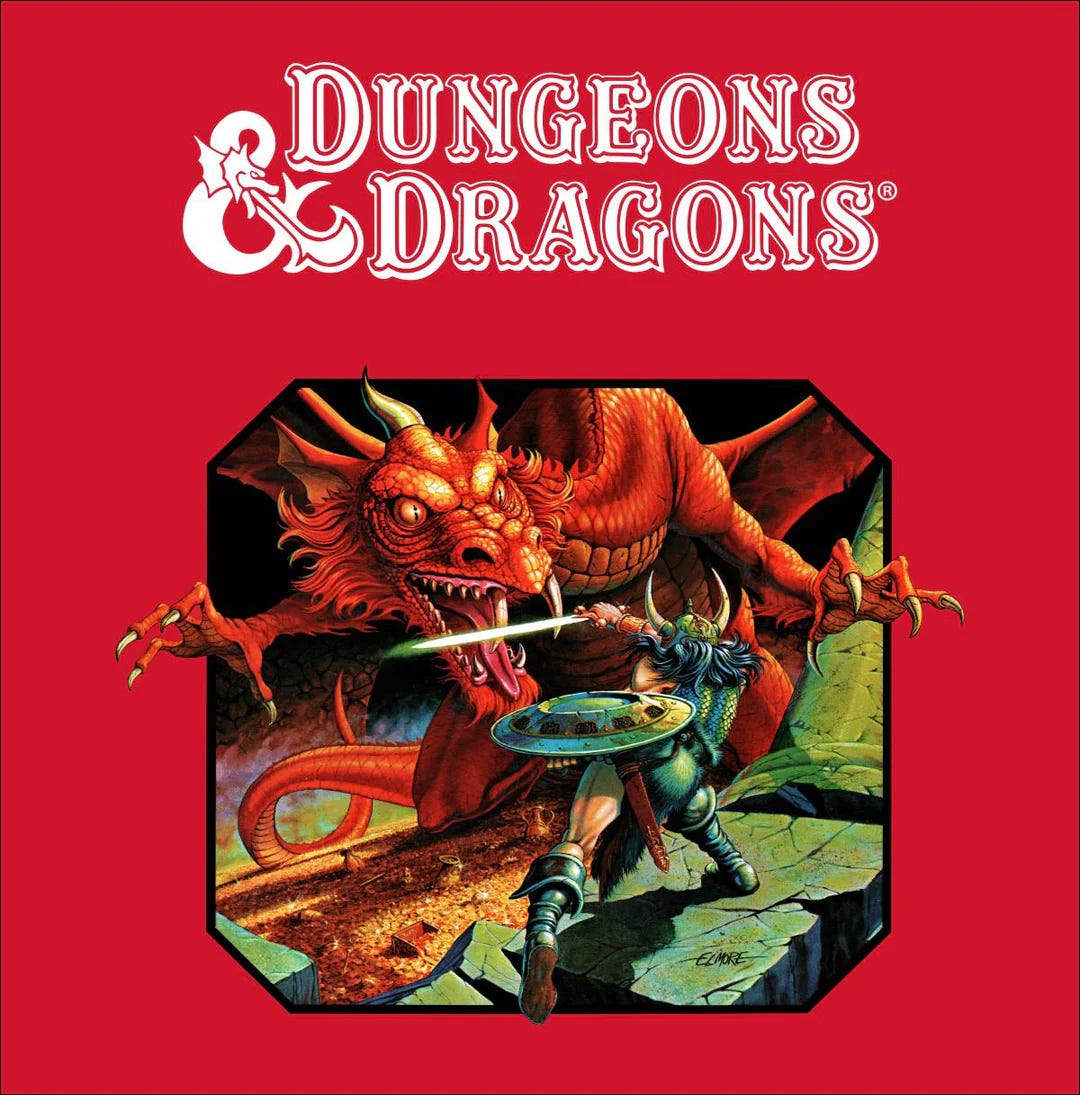
Dungeons & Dragons.
Peace signs.
Yoga.
Meditation.
At various points growing up, I heard warnings about all of them.
Apparently the devil had a very busy marketing department in the 1990s.
Looking back now, most of those fears say far more about cultural anxiety and misinformation than they do about actual spiritual danger.
In many evangelical environments, things weren’t labeled evil because they were harmful.
They were labeled evil because they were misunderstood and demonized.
Different religion? Probably evil.
Different symbol? Definitely suspicious.
Different culture? Let’s pray about it.
Once that mindset takes hold, the list of dangerous things grows quickly.
So I thought it might be interesting—and maybe a little therapeutic—to revisit a few of the things many of us were warned about growing up.
Not to mock anyone.
Just to look at them with a little historical perspective.
Here are ten things I was told were evil that actually aren’t.
1. Paganism
Growing up, “pagan” was basically synonymous with “devil worship.”
In reality, the word pagan originally meant “rural” or “country dweller” in Latin. Early Christians eventually began using it as a broad label for people who practiced traditional religions outside Christianity, especially the ancient nature-based traditions of Europe.
Most pagan traditions were centered around seasons, agriculture, fertility, and reverence for the natural world.
In other words, they were religions.
Not secret satanic cults meeting in forests under the full moon.
(Although I’ll admit the forest aesthetic is strong.)
The word pagan mostly became a negative label because early Christians were competing with those religions for influence. I have several friends who identify as pagan today. They are, to a person, kind and loving.
2. Witches
Many of us were taught that witches were servants of Satan.
Historically, most of the people accused of witchcraft were simply… people.
During the European witch hunts and later the Salem trials, thousands were executed based on accusations that would never stand up in a modern court.
Most of those accused were women.
Many were poor, socially isolated, or simply disliked by someone in their village.
Modern witchcraft traditions like Wicca are generally nature-based spiritual practices.
They are not summoning demons.
They’re usually connecting with nature and spirituality in a different way than you were taught. And that’s not a bad thing.
If you want to learn more about the practice, follow my friend Mystic Sisters Coven on Substack.
3. Astrology
Astrology was another one that got lumped into the occult.
Horoscopes. Zodiac signs. Star charts.
Growing up, these were treated like spiritual landmines.
But historically, astrology was simply part of how ancient people tried to understand the universe.
For most of human history, astronomy and astrology were the same field.
People believed the heavens reflected patterns and rhythms on earth.
Even the Gospel of Matthew includes a story about Magi—essentially ancient astrologers—following a star to find the child Jesus.
While much of modern astrology doesn’t hold up scientifically, that’s very different from saying it’s evil.
At worst, it’s a flawed personality system.
At best, it’s a poetic way people reflect on themselves.
Or at least something to talk about on a first date.
4. The Number 666
If you grew up evangelical, 666 felt like the most dangerous number in the universe.
You noticed it everywhere.
Receipts. License plates. Phone numbers.
It had serious “ominous movie soundtrack” energy.
But historically, the number almost certainly refers to the Roman emperor Nero.
The author of Revelation used a Jewish numerology system called gematria, where letters correspond to numbers.
When you run Nero Caesar through that system in Hebrew, you get… 666.
In other words, Revelation wasn’t predicting barcodes or microchips.
It was criticizing the Roman Empire in code. Not even a very good code, really. Because most of the original readers would have understood it to mean Nero.
5. Dungeons & Dragons
If you were a kid in the 80s or 90s, you probably heard that Dungeons & Dragons was a gateway to the occult.
Parents were warned it could open doors to demonic influence.
In reality, D&D is basically collaborative storytelling with dice.
Players create characters and improvise adventures together.
It’s closer to theater improv or creative writing than anything spiritual.
Ironically, a lot of the storytelling structures used in D&D are the same mythic patterns scholars like Joseph Campbell identified in ancient storytelling traditions.
Which means the game was secretly teaching narrative imagination.
The horror.
6. Halloween
Halloween got treated like a satanic holiday in a lot of churches.
Some kids weren’t allowed to trick-or-treat.
Some churches held “harvest festivals” instead, where kids dressed like Bible characters.
(There were a lot of little Davids and Marys wandering around.)
Historically, Halloween comes from All Hallows’ Eve, the night before the Christian celebration of All Saints’ Day.
It also absorbed elements from the older Celtic festival Samhain.
In other words, Halloween is partly Christian and partly cultural.
Which makes it far less sinister than we were told.
For more on this, read my post from October:

7. Yoga
For a while there was a wave of sermons claiming yoga secretly opened people to Hindu spirits.
But most modern Western yoga is simply stretching, breathing, and mindfulness exercises adapted from older Indian traditions.
You can stretch your hamstrings without summoning deities.
Trust me.
If yoga truly opened portals to the spirit world, every suburban YMCA would be a supernatural hotspot.
This is a perfect example of fearing what we don’t understand. And believing the supernatural hides secretly in any modern practices that didn’t originate from our own religious heritage.
8. Meditation
Meditation also made the evangelical danger list.
We were told emptying your mind could invite demons.
But meditation exists in many religious traditions, including Judaism and Christianity.
Christian mystics practiced forms of contemplative prayer for centuries.
The Desert Fathers spent long periods in silence and meditation in the early centuries of the church.
Turns out quiet reflection is not a demonic gateway.
It’s just a way of calming your nervous system…and connecting to the Divine.
9. Therapy
In some church environments, therapy was seen as unnecessary—or even suspicious.
Why talk to a counselor when you can just pray more?
But psychology is simply the scientific study of the human mind and behavior.
Therapy helps people process trauma, regulate emotions, and build healthier relationships.
Ironically, many people end up in therapy specifically because of unhealthy religious environments.
Which is… not exactly the sales pitch churches intended.
10. Asking Questions
This one might be the most important.
In some religious environments, asking difficult questions is treated as a spiritual threat.
Questions can look like doubt.
And doubt can look like rebellion.
But historically, questioning has always been part of spiritual life.
The Bible itself contains a lot of questioning.
Job.
Ecclesiastes.
Jesus.
Curiosity isn’t the enemy of faith.
Fear is.
The Real Issue
Looking back, it’s fascinating how many things got labeled evil simply because they were unfamiliar.
Different religion.
Different symbol.
Different tradition.
Different idea.
Label it dangerous.
Avoid it.
Don’t ask too many questions.
But when you step outside that fear-based framework and start learning the history behind these things, something surprising happens.
The world becomes a lot less scary.
And a lot more interesting.
It turns out the devil was not hiding in Dungeons & Dragons.
Or yoga studios.
Or astrology charts.
The real danger was something else entirely.
A worldview that teaches people to fear curiosity.
I write for free and depend on your support.
Please support my work by becoming a paid subscriber, giving a gift on Venmo, or preordering my upcoming book.
*As a Book Launch Supporter you will receive two signed hard copies of the book, written acknowledgment in the introduction of the book, and an invitation to the virtual book launch party. And an amazing amount of gratitude from me.
One of the kindest persons I know is a witch. Another kind person is a pagan. And gay men are very kind (I am straight). Some of the nastiest people I know are MAGA Christians.
You forgot about listening to KISS--someone told my dad the band's name stood for Knights In Satan's Service, and their music was banned in the house. I bought my brother their albums anyway. ;)